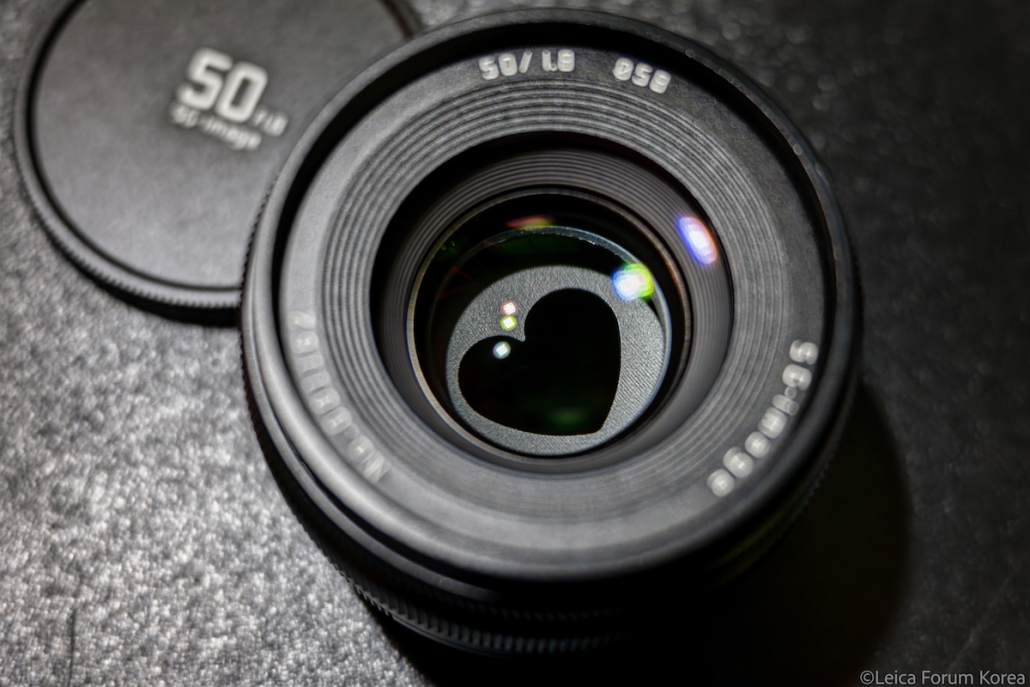
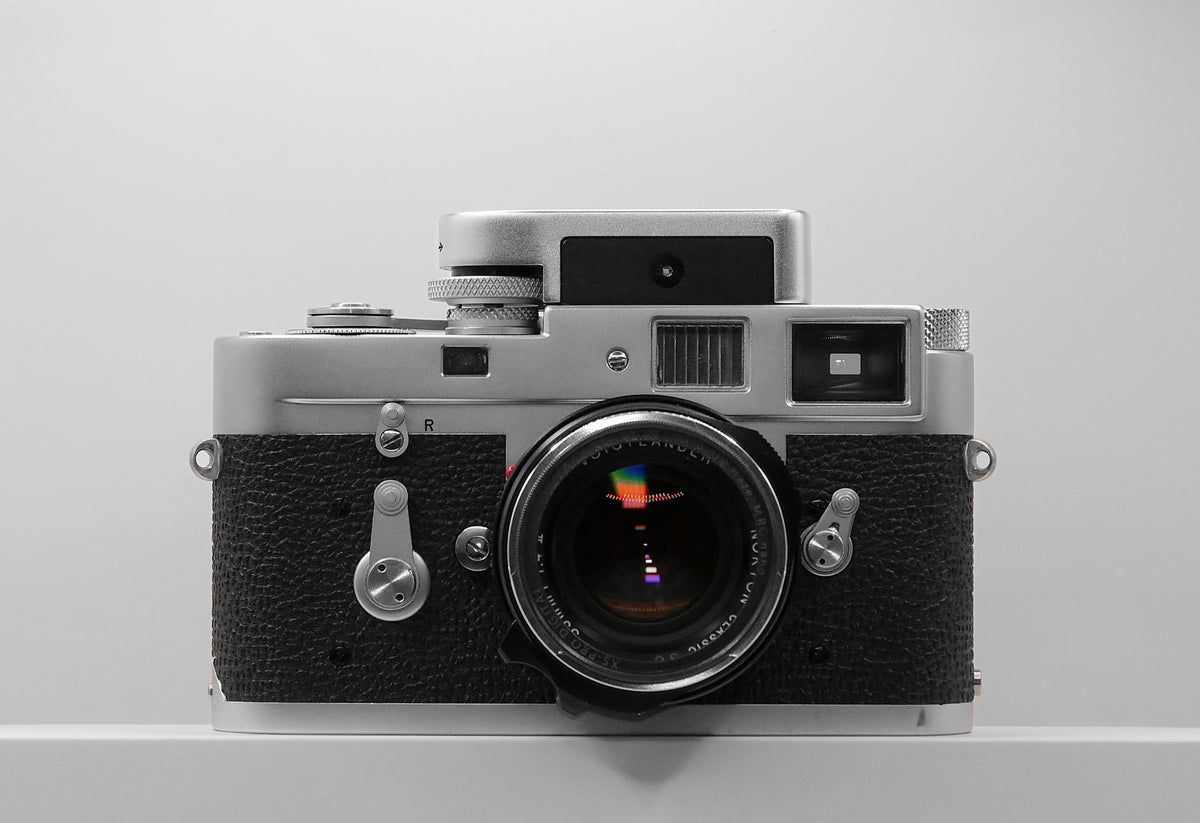
2005년 정도로 기억합니다.
기존에 M2, M3 의 셔터에 연동해서 사용할 수 있는 노출계는 MC-meter, MR-meter 가 전부였습니다.
정확치 않고 부족한 노출계였지만, 바디와의 일체감과 셔터 연동의 장점 때문에 오래도록 사용되어왔죠.
그러던 와중에 KEKS 에서 M-meter 라는 것을 출시했고 초기 펀딩때부터 기다렸다가 구매했던 기억입니다.
기존 MC, MR-meter 의 형태도 계승하고 있고 셔터 다이얼과 연동도 가능했기 때문에 많은 유저들이 환호했죠.
다만 외장 배터리 교환식으로 개발되면 좋았을텐데,, 내장 리튬 배터리 충전식으로 개발이 되었고 V1 에서 사용시간이 너무 짧아서 매번 쓸 때 마다 스트레스가 이만저만이 아니었습니다.
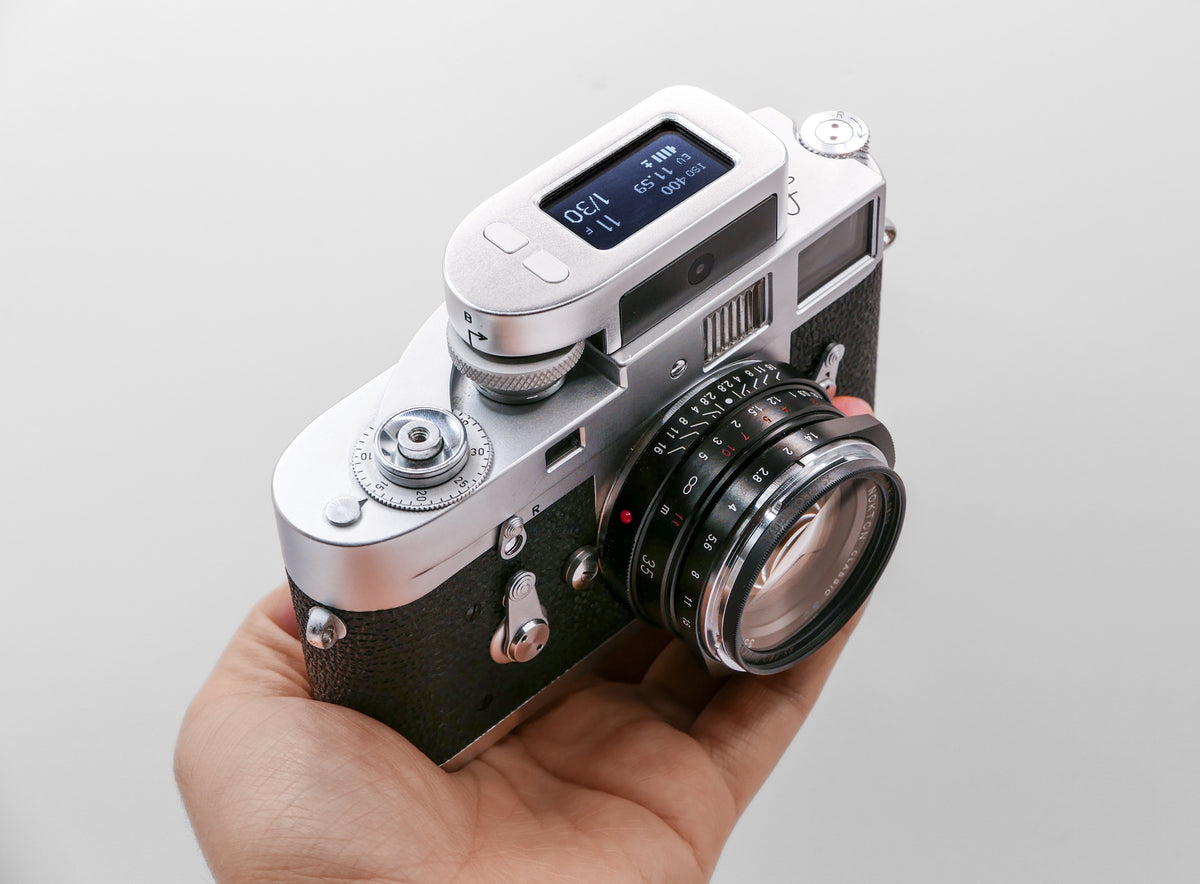
매번 사용할 때 마다 배터리를 끼우면 될 일인데, 내장 충전식이니 매일 케이블을 주렁주렁 연결해놓고 충전해야하는 꼴이었죠. 그래서 그냥 잊어버리고 있었는데…
최근에 V2 버전이 나오면서 사용시간이 꽤나 개선이 되었다는 소식을 들었고.
여기저기 검색을 해보니 V1 유저들에게 무상으로 업그레이트 키트를 제공하는 프로모션도 있다는 소식이 있었습니다.
그래서 9월 정도부터 KEKS 에 연락해서 업그레이트 키트 제공을 요청했지만 PCB 재고 부족으로 일단 기다려야헀죠.
그러다가 얼마전에 업그레이드 키트를 주문할 수 있었고, 물건이 도착해서 자가로 업그레이드를 진행하고 리뷰를 올리게 되었습니다.
V2 를 구매하신 분들은 따로 신경 쓰실 건 없을 것 같습니다.
이 포스팅은 초기버전 V1 유저를 위한 리뷰입니다.
KEKS 의 업그레이드 키트 주문 링크는 다음과 같습니다.
공개해도 될지 모르겠습니다만.. 주문이 폭주? 하면 KEKS 에서 알아서 하겠죠.
저는 가입내역이 있어서 로그인해서 주문하니 따로 문제없이 배송이 되었습니다.
구입내역이 확인이 안되면 따로 증명을 해야되지 않을까 싶기는 합니다.
업그레이드 키트 자체는 무료였고, 배송비가 21,000원 정도 발생했습니다.
다음은 KES 에서 메일 온 내용의 원문입니다.
Dear Customer,
Thank you for purchasing the M Meter. We are happy to let you know that the V2 upgrade kit is finally back in stock, and we appreciate your patience throughout the wait.
Before placing your order, we highly recommend watching the installation video first to ensure you are confident and comfortable performing the upgrade. For your reference, we have sent out over 50 V2 upgrade kits, and the installation success rate is 100%.
Please note that the kit includes a hex key for removing the 4 screws holding the bottom plate. If the hex key does not have enough grip, please do not force it and use a proper screwdriver instead to avoid stripping the screw.
Please find the installation video and the order link for the V2 upgrade kit below:
Installation Video: https://www.youtube.com/watch?v=wQ1eLk-NHI4
Order Link: https://www.kekscameras.com/products/m-meter-v2-upgrade-kitPlease don’t hesitate to let us know if you have any questions.
Best regards,
keks camera
메일을 보면 구입 링크과 함께 참고할 유튜브 영상 링크드 제공합니다.
업그레이드 키트를 꺼내기 전에 한 번 보고 진행하시면 좋을 것 같습니다.
M-meter PCB replace
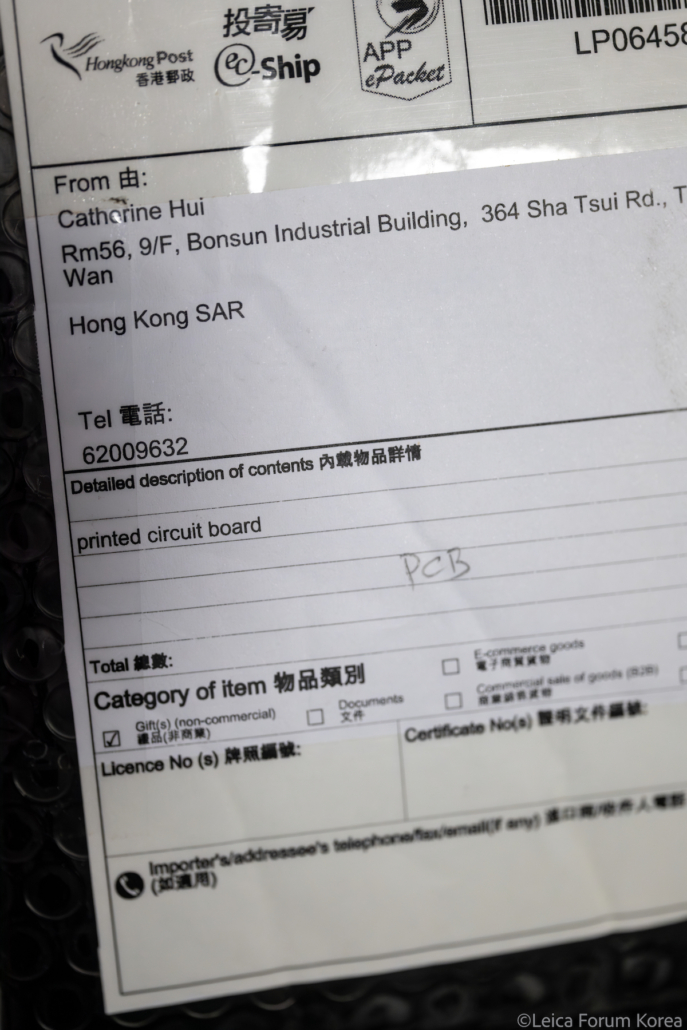
홍콩에서 날라온 V2 업그레이드 키트.
PCB 만 달랑 온 것 같은데, 그래도 이렇게 A/S 하는게 어디냐 싶습니다..
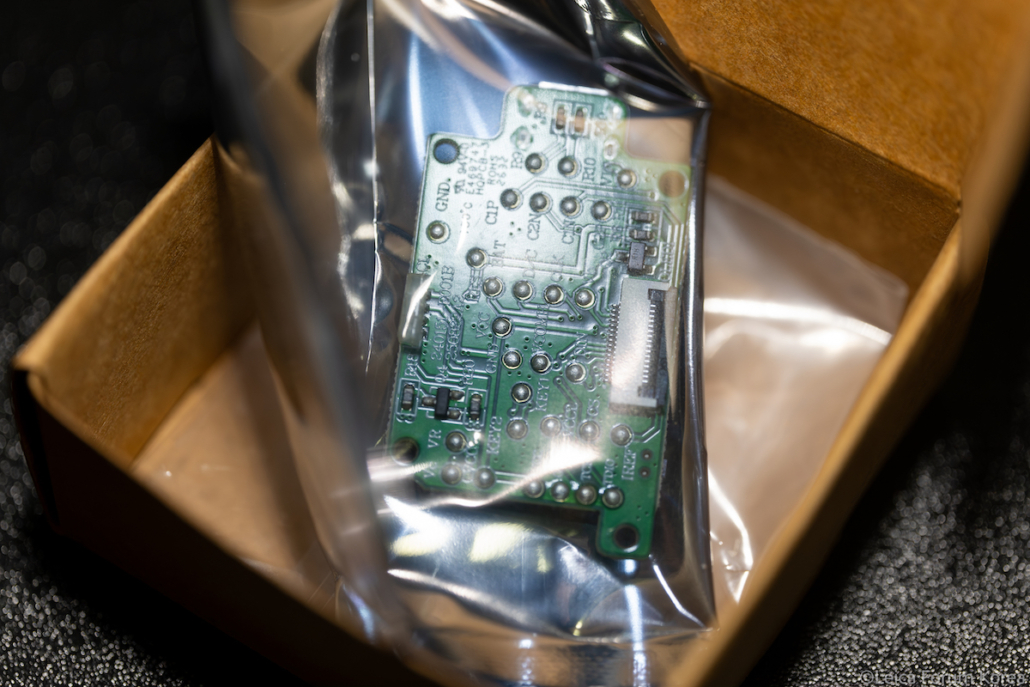
봉투를 열어보니 작은 박스가 있고 그 안에 PCB 업그레이드 키트가 있습니다.
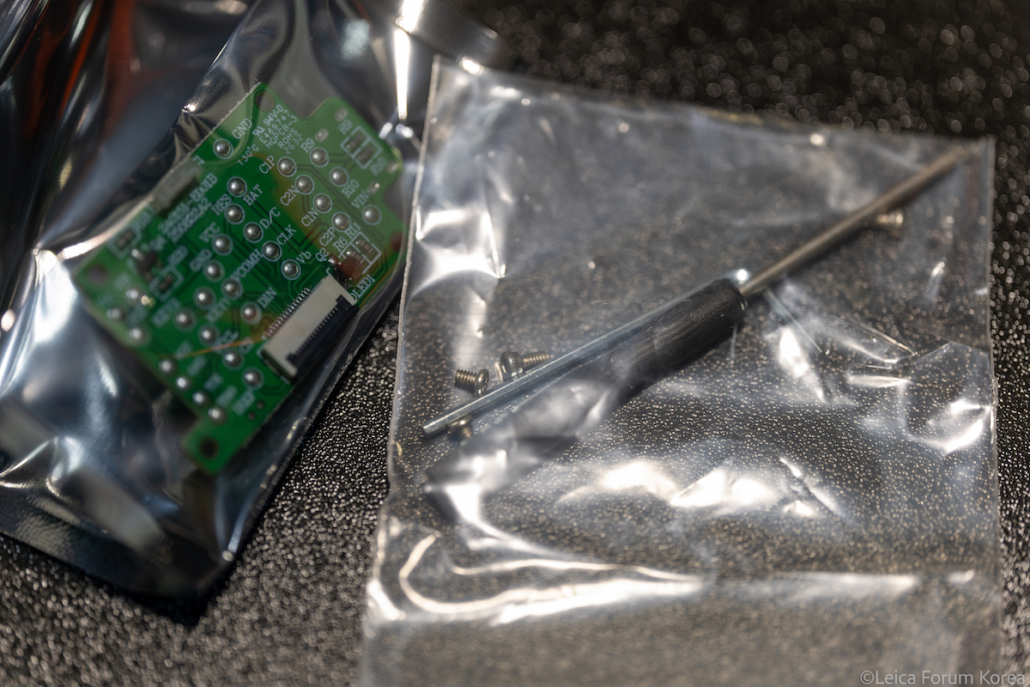
나사와 드라이버가 동봉되어 있습니다.
저는 기존에 있던 나사들을 그대로 썼고, 6각 그리고 십자 드라이버가 필요한데 제공한 드라이버를 사용하지 않고 따로 가지고 있던 드라이버들을 사용했습니다.
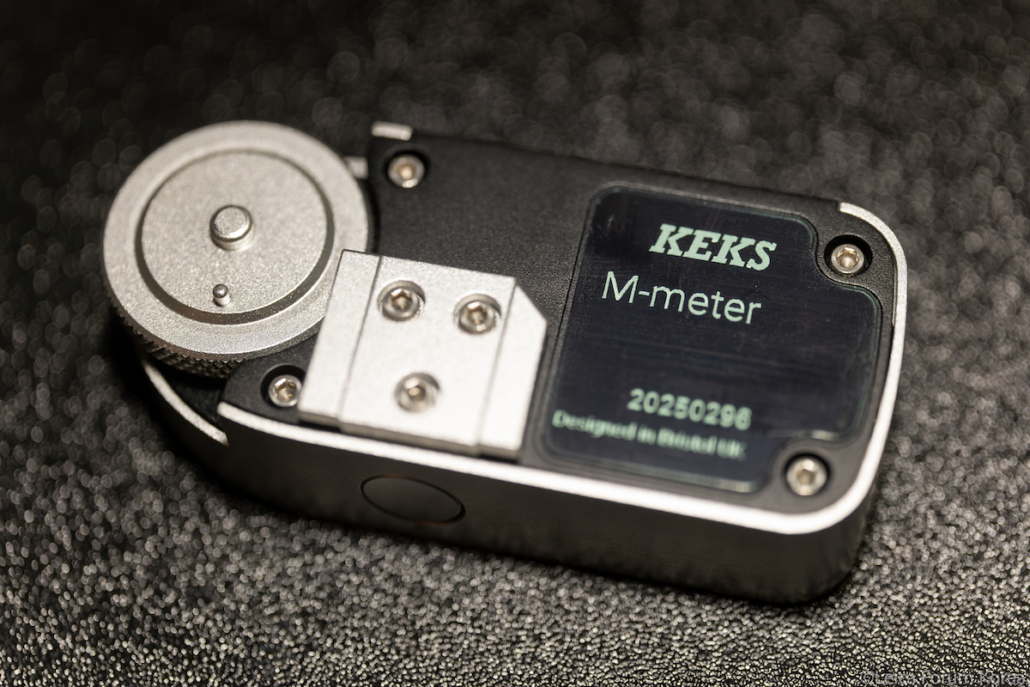
애증의 KEKS M-meter 초기형 V1 입니다.
기존 m-meter 들처럼 그냥 외장 배터리 교환식이 편하지 않을까 싶은데.. 모르겠습니다. 뭔가 어려움이 있겠죠.
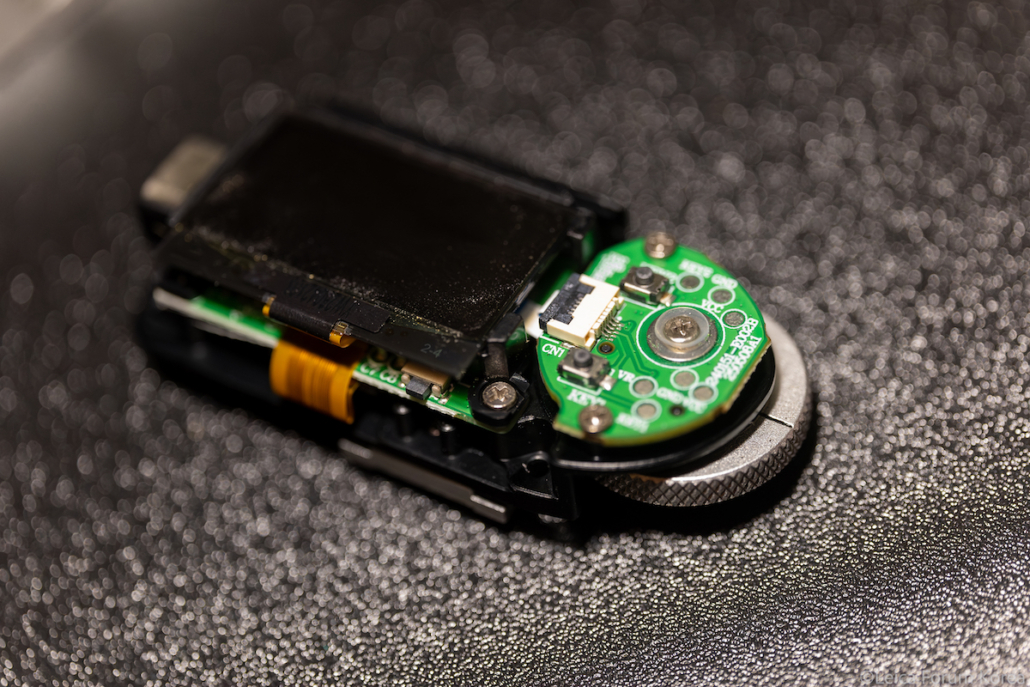
유튜브 영상을 보셨다는 전제하에 설명하겠습니다.
네 모서리의 육각 나사를 제거하고 검은 플라스틱 부분을 들어올리면 내부가 드러납니다.
연결된 케이블들이 있으니 살짝 조심조심하시면서 들어올리면 문제없어 보입니다.
이제 십자 나사 2개를 풀어서 PCB 를 케이스로부터 분리합니다.
(4개가 아닙니다. 2 곳은 플라스틱으로 형태를 고정하고, 나머지 2 곳이 나사로 체결되어 있습니다.)
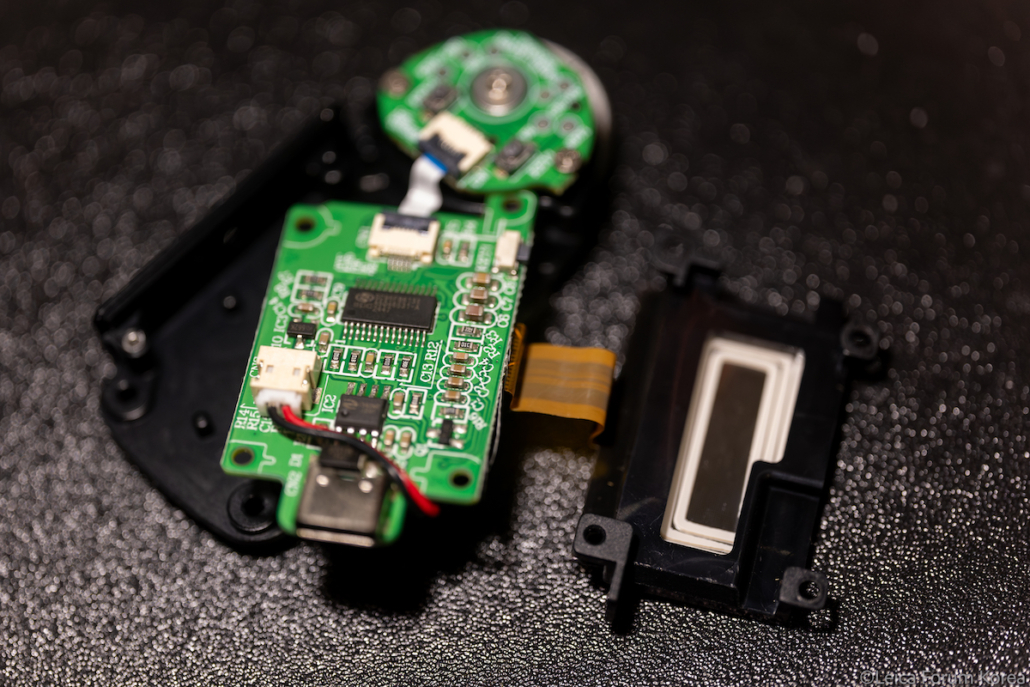
두 곳의 케이블이 연결되어 있고, 아래쪽으로 배터리가 연결되어 있습니다.
위로는 셔터다이얼부와 연결, 우측으로 LCD 부와 연결, 뒷면으로 배터리 연결 입니다.
우리는 좌측아래의 PCB 만 교체하면 끝납니다.
그래서 3 곳의 연결부를 해제하고, PCB 교체하고, 3 곳을 다시연결하면 완료.
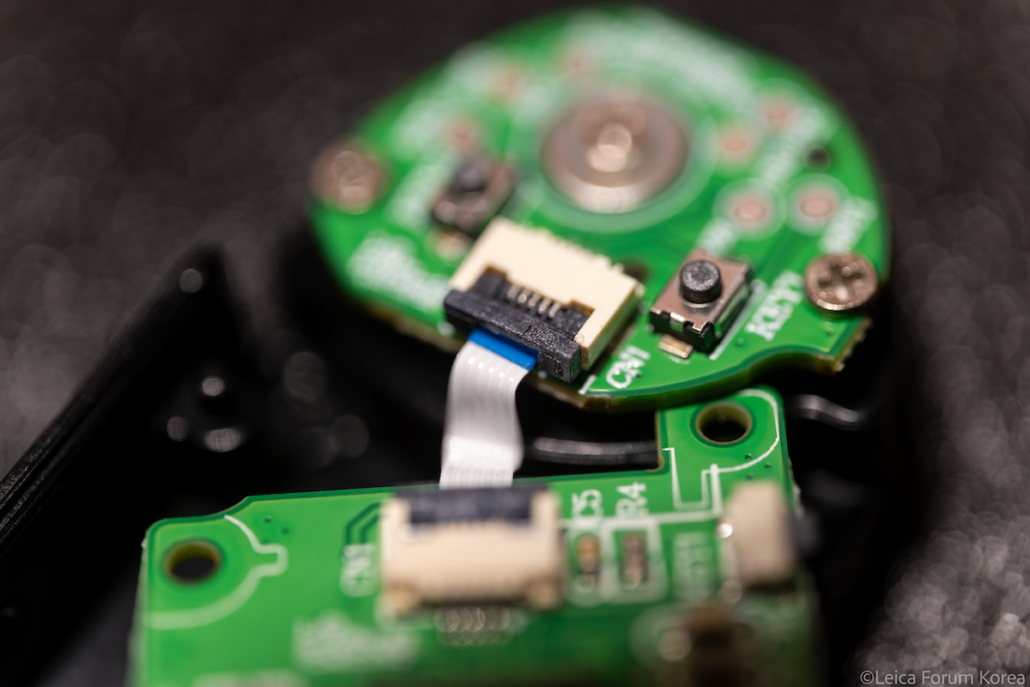
유튜브 영상 순서대로 진행했습니다.
셔터다이얼부와 연결을 먼저 해제합니다.
케이블이 양쪽에 물려있는데, 영상에서는 셔터다이얼 쪽만 해제를 하는데 결국 양쪽 다 해제해야 합니다.
저 케이블이 새로운 PCB 에 물려있는건가? 싶었지만, 기존의 케이블을 다시 써야하기 때문에 기존 PCB 쪽에서도 해제해서 흰색 필름 케이블을 온전한 상태로 남겨둬야 합니다.
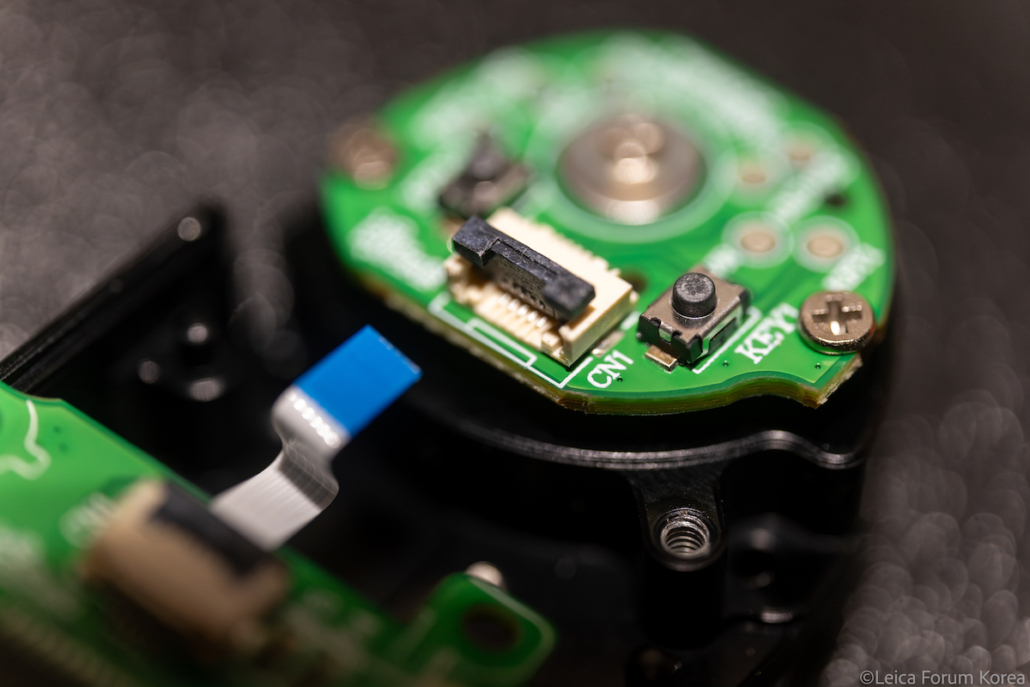
케이블이 물려있는 부분을 살짝 들어올리면 케이블을 쉽게 뺄 수 있습니다.
다시 연결할 때는 케이블을 물려놓고, 들려있는 검은 플라스틱 부를 다시 내려서 꽉 물려주면 됩니다.
생각해보니 그냥 PCB 쪽만 빼면 될텐데.. 라는 생각이 드네요. 그렇게 하셔도 무방하겠습니다.
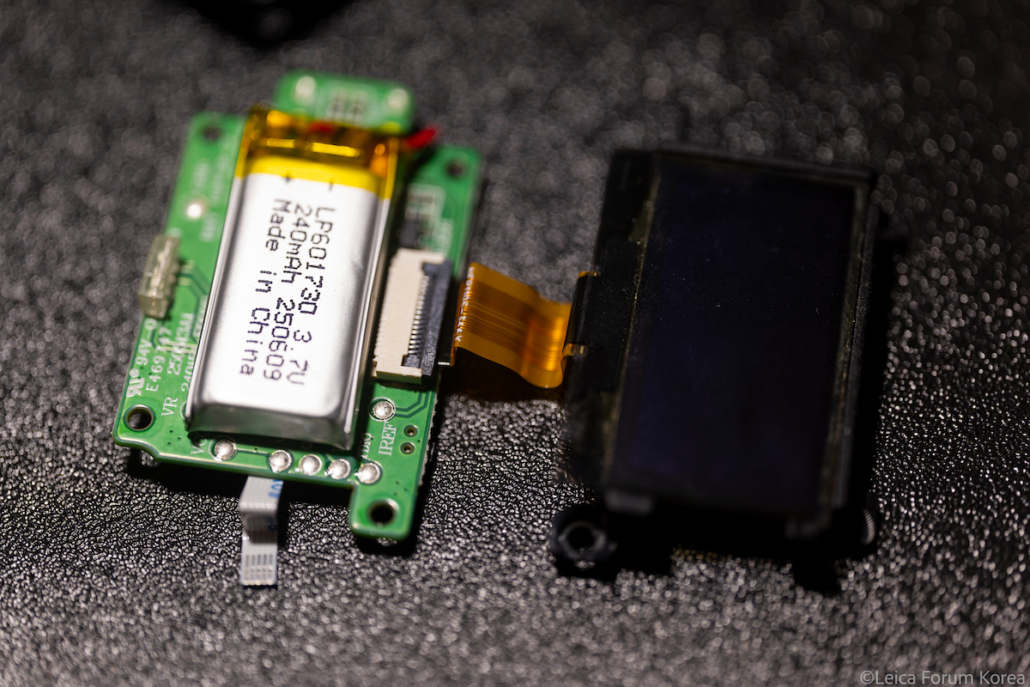
이제 셔터다이얼부는 분리가 되었고, 이어서 LCD 부를 분리합니다.
뒤집으니 배터리가 보이는군요. 아직 배송전이기는 한데, 저는 배터리고 대용량을 교체해 볼 생각을 해놓고 있었습니다. 알리에 뒤져보니 3.7v 배터리가 여러 용량으로 나오더라구요. 어느정도의 사이즈가 들어갈 수 있을지 확신이 없어서 다양하게 주문해놓고 기다리고 있습니다. 아마 다음 리뷰가 나온다면 대용량 배터리 교체관련된 리뷰가 이어지지 않을까 싶습니다.
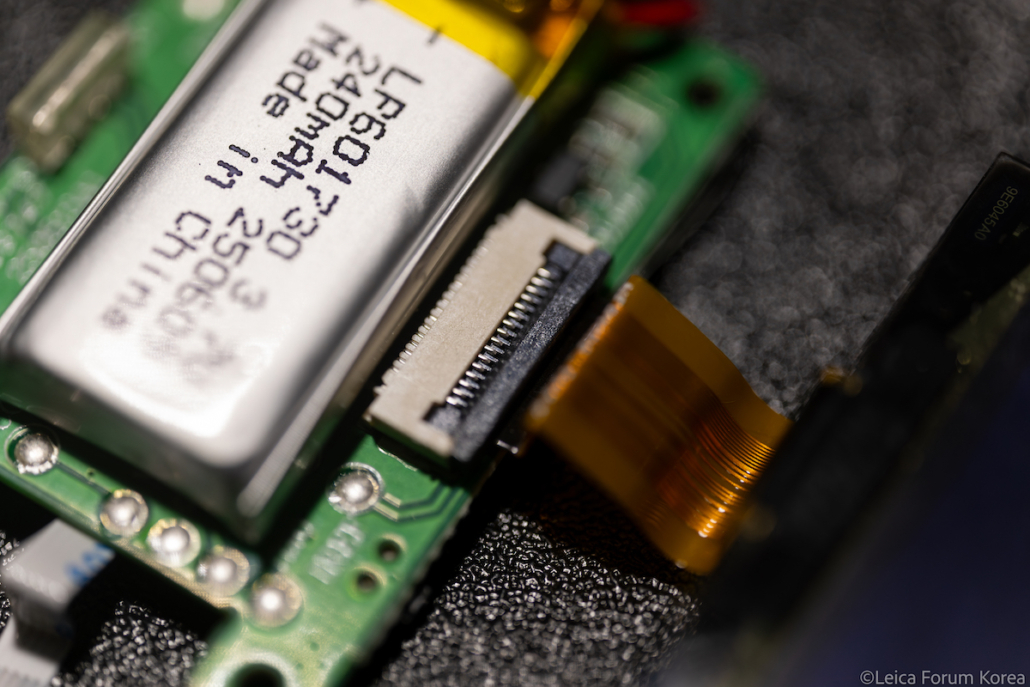
LCD 분리하는 곳도 동일한 방식으로 물려있습니다. 검은 플라스틱을 손으로 살짝 들어올리면 딱 풀리는 구조.
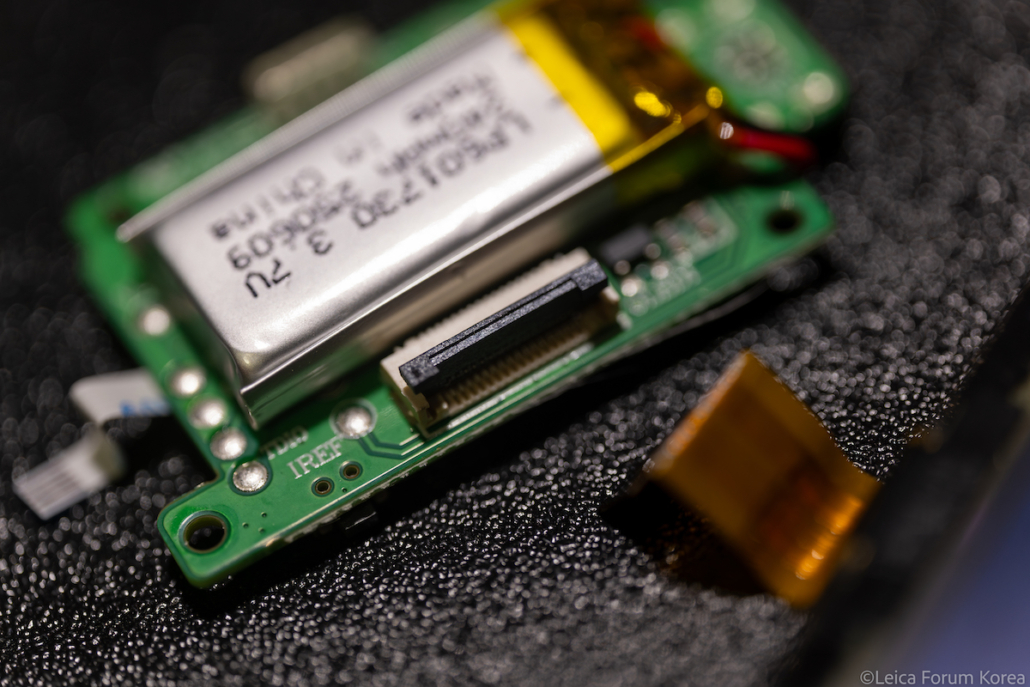
케이블을 분리하면 끝입니다. 새로운 PCB 에 물리고, 검은 플라스틱으로 고정하면 됩니다.
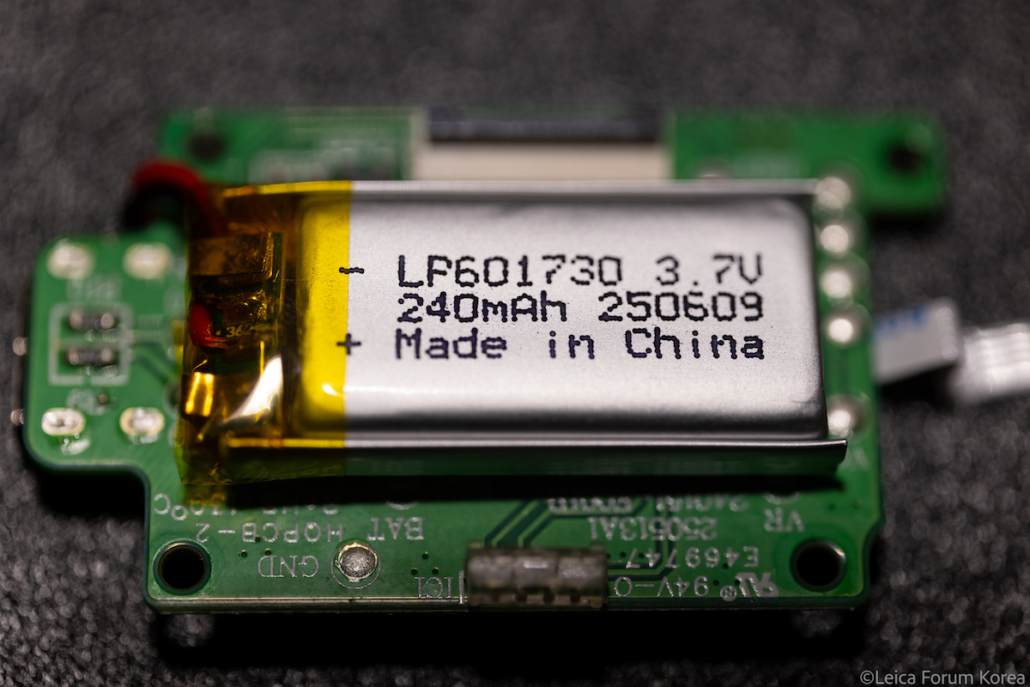
저 배터리로 검색해보면 601730 이 3면의 길이를 나타내는 구조더군요. 그래서 다양한 배터리들이 존재하는데, 240mAh 보다 큰 배터리들 중에서 노출계 박스 안에 들어갈만한 녀석으로 고민하고 있습니다. KEKS 에서는 단가 때문에 240 짜리를 넣었겠지요. 저는 배터리가 오래가면 그만이라.. 제맘대로 기회가 되면 교체해보겠습니다.
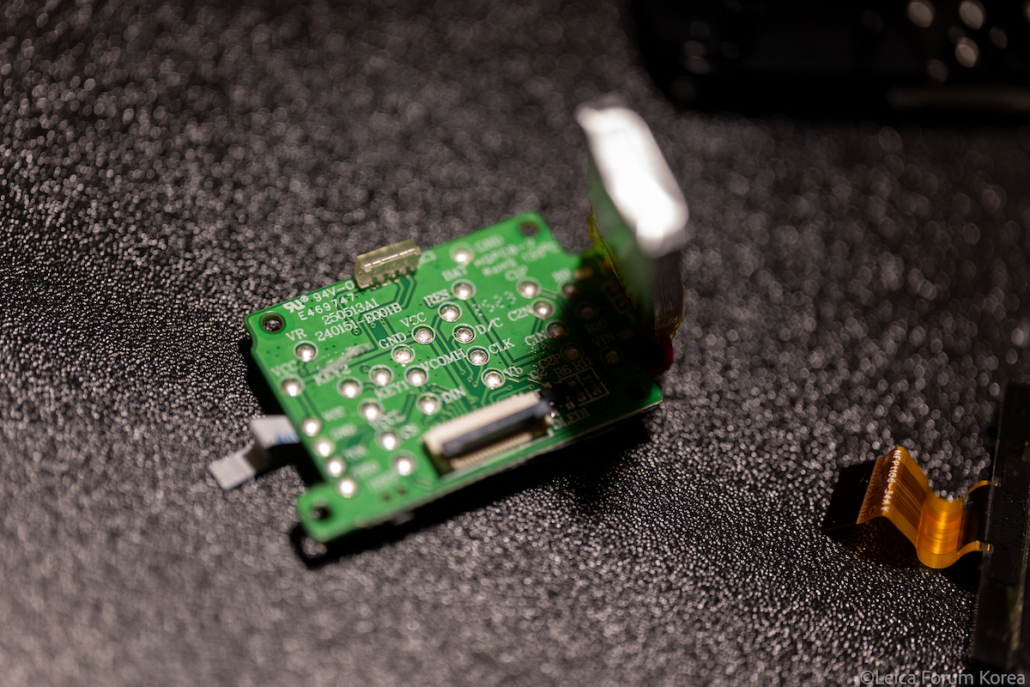
마지막으로 배터리부를 분리합니다.
배터리는 가벼운 양면 테이프 정도로 고정이 되어있습니다.
제가 전문지식은 없지만 배터리를 구부러지거나 손상되면 결국 망가지는 걸로 알고 있어서,
쉽게 떨어지기는 하지만 그 형태를 유지하는데 집중하는게 필요할 것 같습니다.
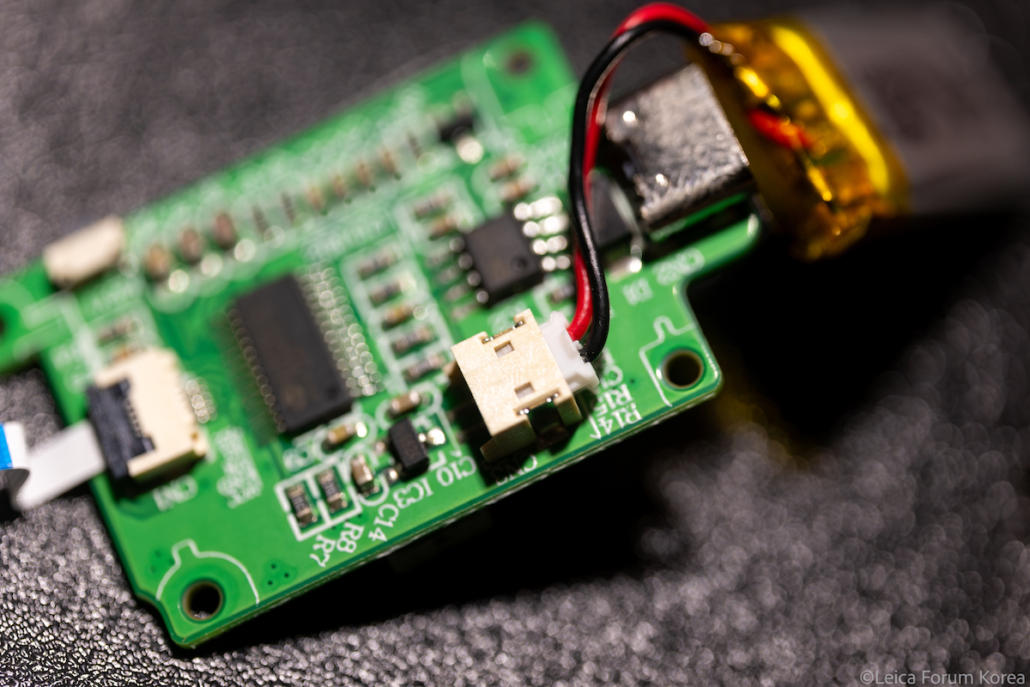
살짝 붙어있는 배터리를 빼내고 뒤집어서 케이블을 분리합니다.
이 부분도 좀 애매한게 손가락으로 당기기에 너무 작아서,, 케이블을 잡고 당겨도 되지만,
그랬다간 케이블도 손상이 될 것 같고.. 어쨌든 좀 신경써서 당겨야 할 것 같습니다.
케이블 분리도 그렇고 컴퓨터 조립을 해보신 분이라면.. 어렵지 않을 것 같습니다.
보드에 팬 전원 연결하고 빼는 그런 난이도 입니다.
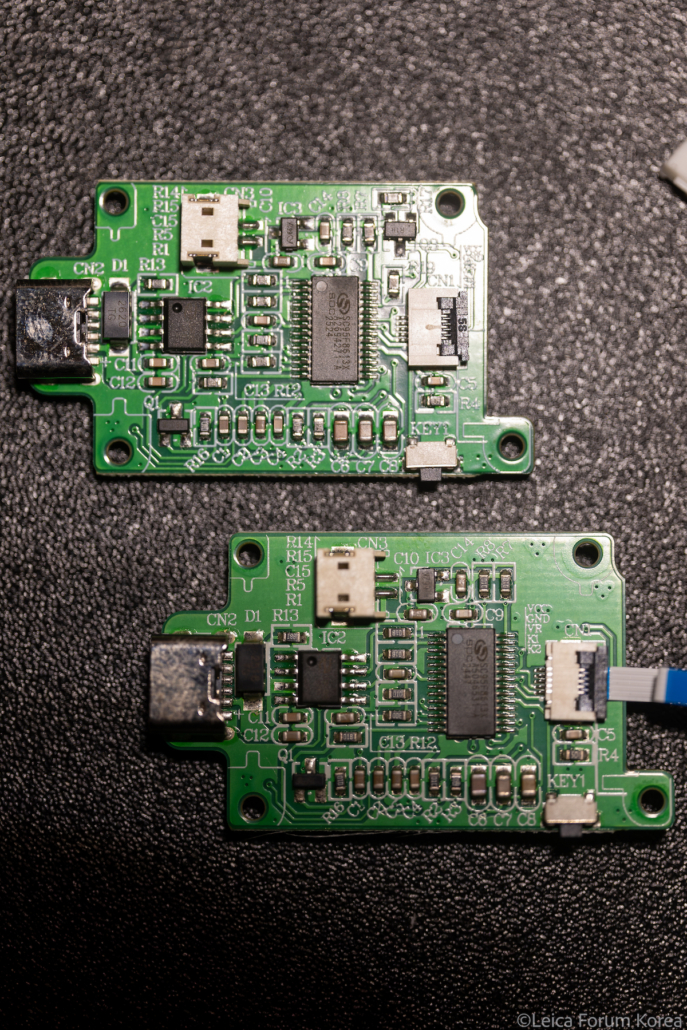
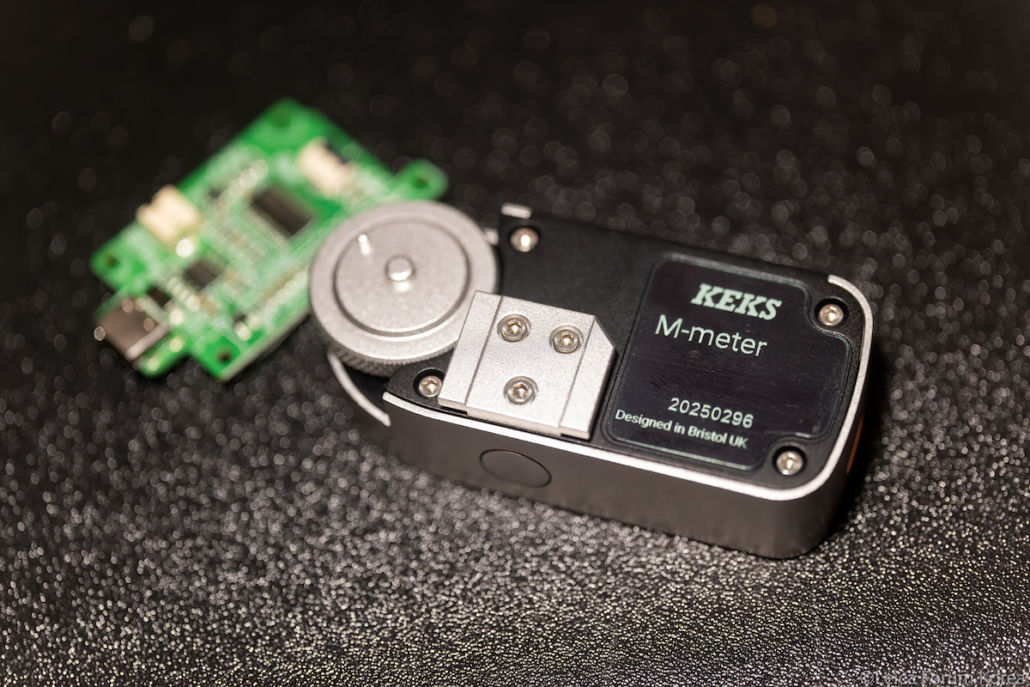
배터리까지 분리하고 이제 V2 PCB 를 새롭게 준비합니다.
위가 V2, 아래가 V1 입니다.
PCB 우측 상단 구조가 살짝 변한 느낌… 사용시간이 많이 늘었기를 기대합니다.
지금 하루정도 지났는데, 아직은 썡쌩합니다. V1 은 형편없었습니다…ㅋㅋ
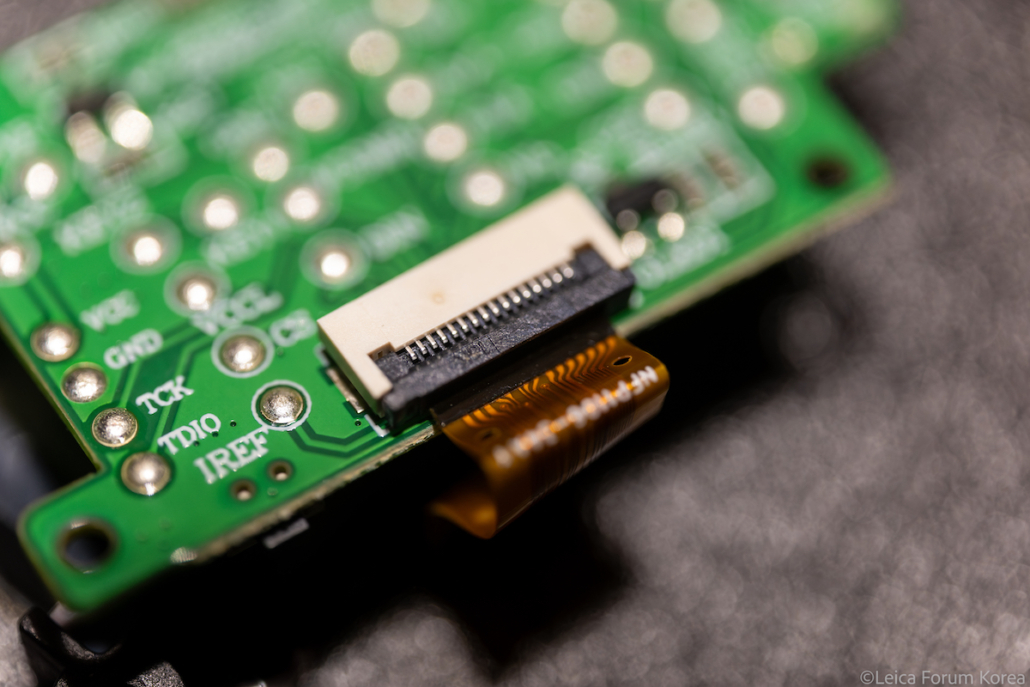
조립은 분해의 역순입니다.
유튜브에서 LCD 를 먼저 연결하더군요. 그대로 따라합니다.
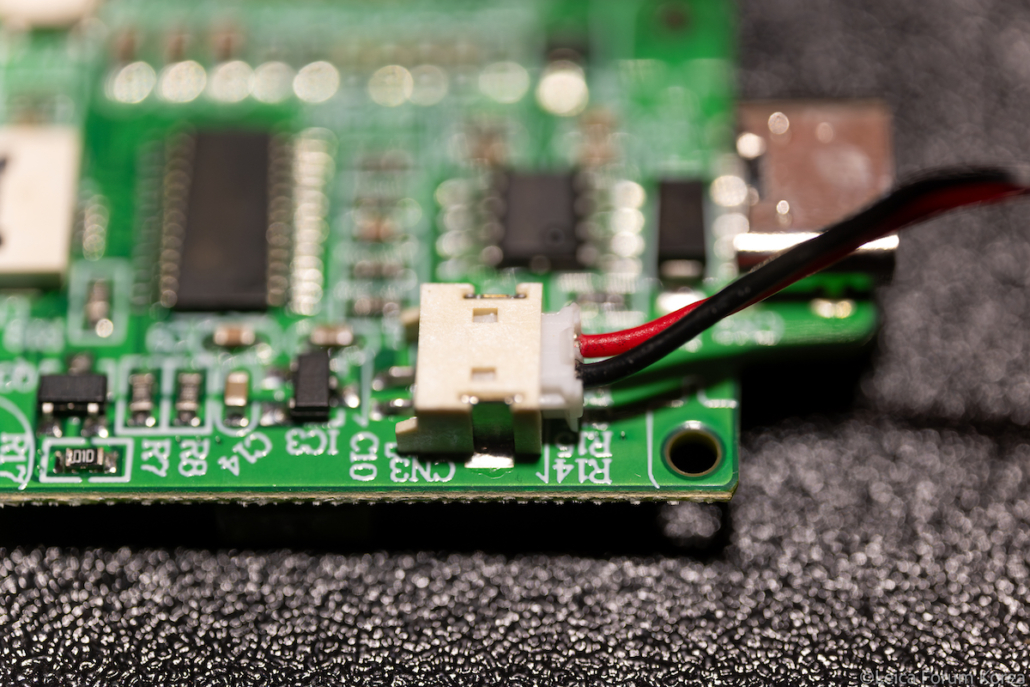
그다음 이어서 배터리 부 연결. 빼는 건 어려워도, 꼽는건 쉽죠..ㅋ
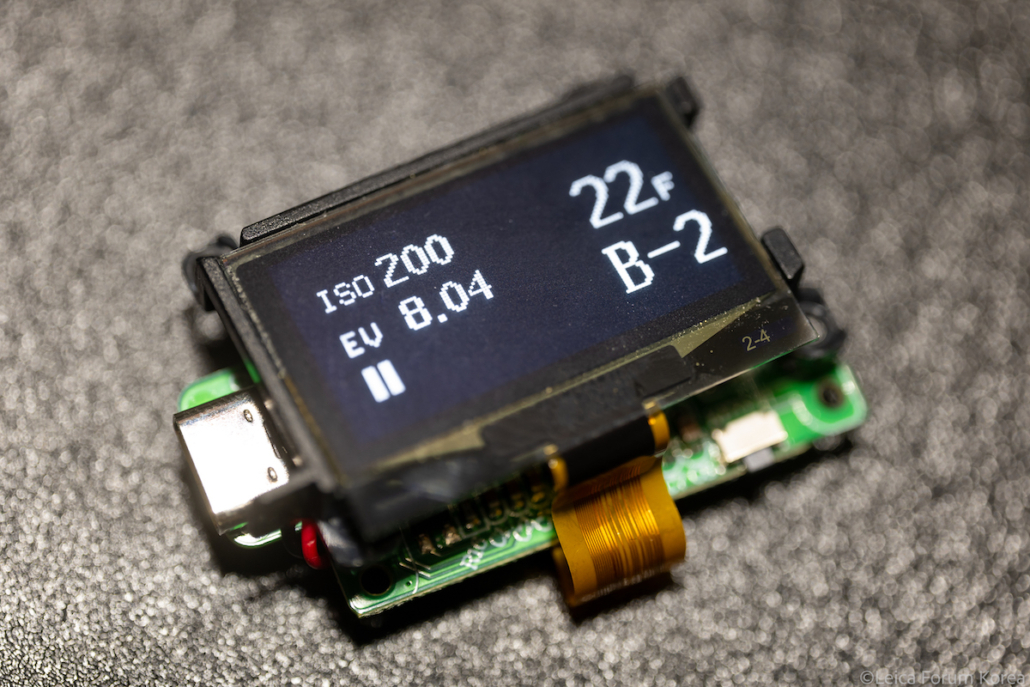
배터리와 LCD 를 연결해서 LCD 가 제대로 표시되는지 확인합니다.
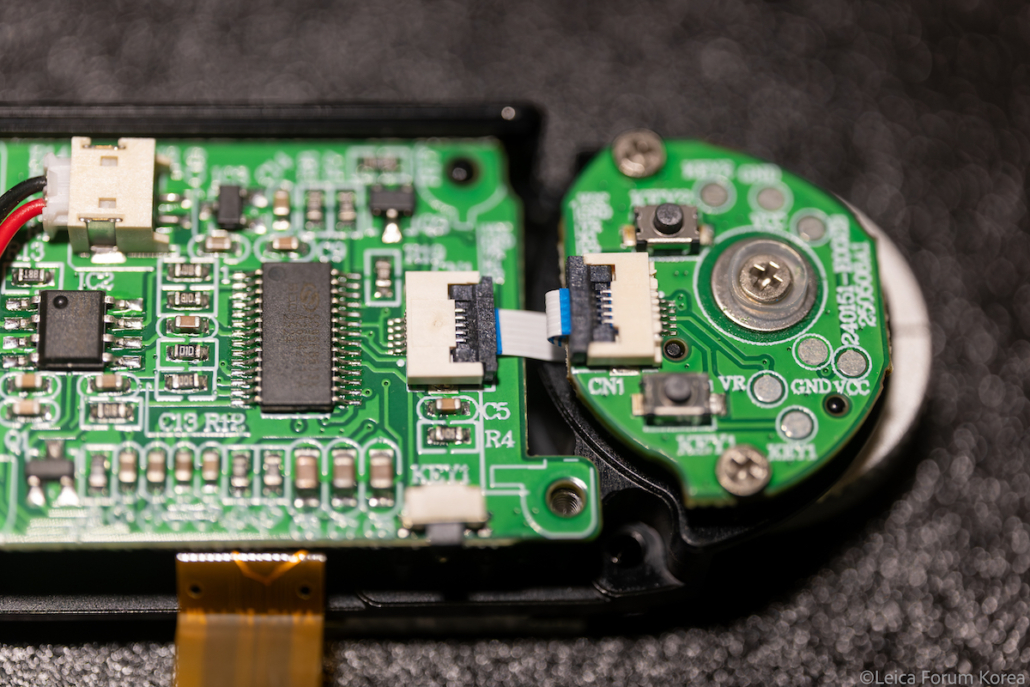
마지막으로 셔터 다이얼 부 연결.
연결하고 다이얼을 돌리면서 LCD 에서 잘 반영되는지 확인합니다.
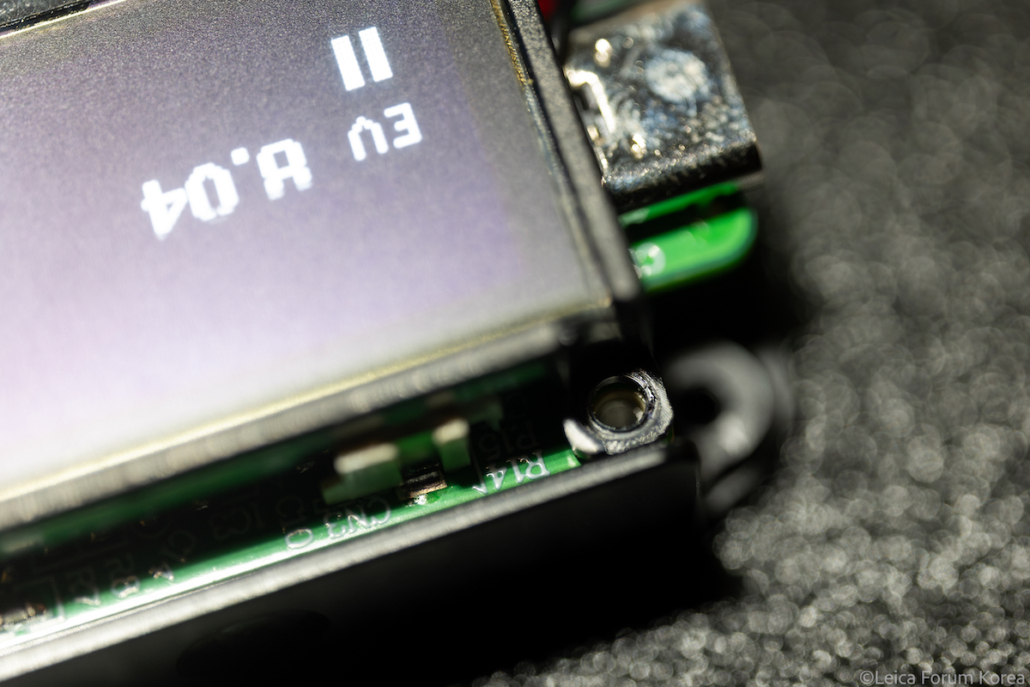
외장 케이스는 6각 나사인데, 내부는 십자 나사 2개로 고정되어 있습니다.
다시 두 곳을 십자 나사로 체결하면 PCB 가 고정됩니다.
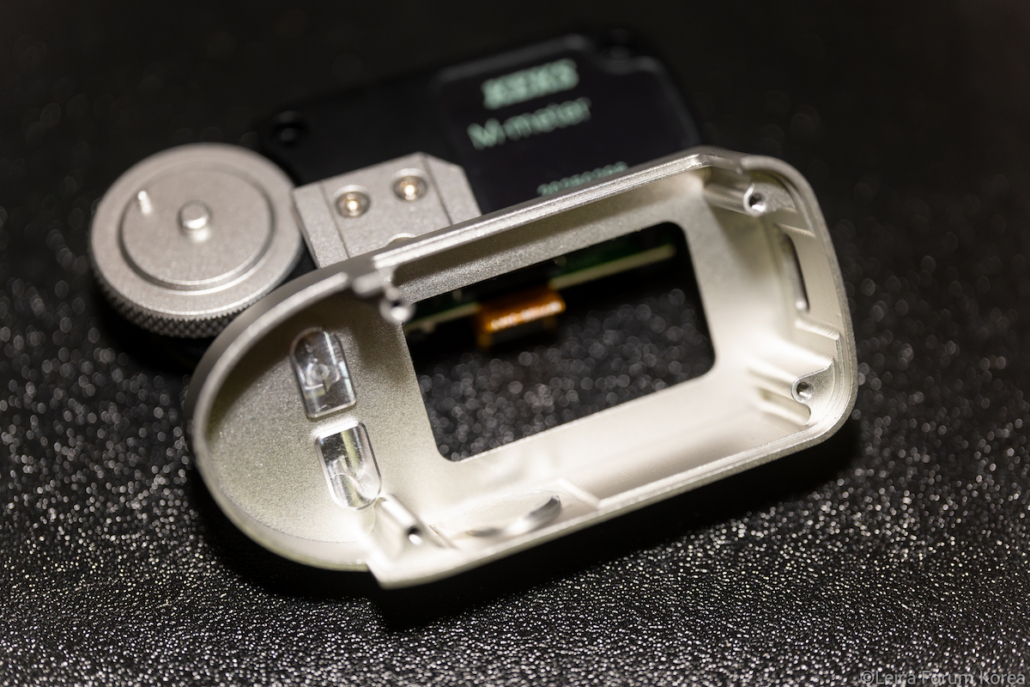
살짝 원가절감의 흔적이라고 느껴지는데, 처음에 케이스를 분리하면 버튼들이 다 떨어집니다.
그래서 다시 조립할 때 버튼들을 잘 끼워놓고 케이스를 연결해야 합니다.
V2 업그레이드 완성!
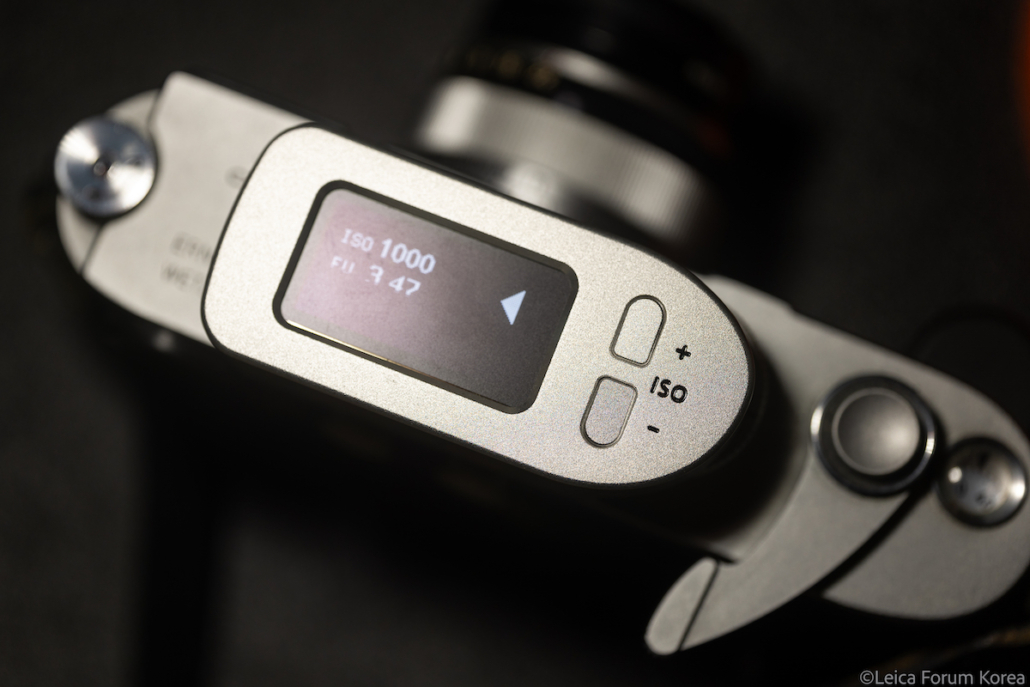
플리커 현상 탓에 LCD 가 이상하게 찍혔지만, 이상없이 잘 작동합니다.
배터리 드레인이라는 크리티컬한 단점 때문에 버려졌던 V1 초기형 노출계를 그래도 업그레이드 할 수 있게 해준 KEKS 에 감사하고 싶네요.
대용량 배터리로 교체를 성공하면 추가 리뷰를 또 올려보겠습니다.
감사합니다.


 권장소비자가